Overview of Sciatic Nerve Stretching PDF
Discover the free Sciatica Pain Relief PDF—your 15‑exercise guide for disc or stenosis. It explains motion as lotion, centralization, tissue irritability, dosage, and modifications for every age. Follow the pathway to gentle, effective relief. Daily practice.!!. Start today, feel better. Now
Purpose and Scope
The Sciatic Nerve Stretching Exercises PDF serves as a comprehensive, evidence‑based reference designed to empower patients and clinicians with a clear, step‑by‑step framework for addressing sciatic pain through targeted mobility and nerve glide techniques. Its purpose is to translate complex biomechanical concepts—such as centralization, tissue irritability, and the distinction between disc herniation and spinal stenosis—into actionable, user‑friendly exercises that can be performed safely at home or in a clinical setting. The guide’s scope extends beyond mere exercise prescription; it includes dosage guidelines, modification options for varying fitness levels and comorbidities, and a structured progression plan that aligns with the patient’s pain threshold and functional goals. By integrating visual aids, dosage charts, and safety reminders, the PDF aims to reduce the trial‑and‑error cycle often associated with self‑managed sciatica care, thereby accelerating recovery and minimizing flare‑ups. Clinicians can use the document as a teaching tool, while patients can reference it for daily practice, ensuring consistency and adherence to best‑practice protocols. In sum, the PDF is a bridge between research and practice, offering a standardized, adaptable resource that supports both short‑term relief and long‑term functional improvement for individuals experiencing sciatic nerve irritation. Empower recovery with consistent practice daily.!

Understanding Sciatica and Its Causes
Sciatica arises when the sciatic nerve is compressed or irritated, often by a disc herniation or spinal stenosis. Symptoms include shooting pain, numbness, and weakness along the leg. Understanding the root cause guides targeted stretching and nerve glide exercises for relief daily, steady.!
Common Pathologies: Disc Herniation and Stenosis
Disc herniation occurs when the nucleus pulposus protrudes through the annulus fibrosus, pressing on the sciatic nerve root. This can trigger sharp, shooting pain, tingling, and muscle weakness down the leg. Stenosis, on the other hand, is the narrowing of the spinal canal, often due to bone spurs, ligament thickening, or disc degeneration. It compresses the nerve over time, causing chronic discomfort, numbness, and difficulty walking. Both conditions share similar symptoms but differ in their underlying mechanics: herniation is a focal bulge, while stenosis is a gradual, diffuse narrowing. The PDF guide distinguishes these pathologies, offering tailored exercise pathways that address the specific biomechanical deficits. For herniation, the focus is on gentle mobilization, nerve glides, and core stabilization to reduce pressure. Stenosis programs emphasize gradual stretching, posture correction, and endurance training to expand the canal space. By understanding the root cause—whether a localized disc bulge or a systemic canal narrowing—users can select the appropriate pathway, ensuring exercises target the exact source of irritation. The guide also explains how centralization of pain—pain moving closer to the spine—signals improvement, while persistent radicular pain indicates the need for modification or professional evaluation. Accurate diagnosis, combined with PDF instructions, empowers patients to manage condition safely and effectively, reducing reliance on medication or invasive interventions. The evidence‑based approach integrates current research on nerve glides, spinal biomechanics, and progressive loading, providing a comprehensive framework for self‑care. By following the recommended dosage and progression, individuals can gradually restore mobility, alleviate symptoms, and improve overall quality of life.

Key Components of the PDF Guide
Free PDF offers 15 exercises with photos, dosage, and modifications for disc or stenosis. It explains motion as lotion, centralization, tissue irritability, and two pathways tailored to age and body type. Includes step‑by‑step guidance, safety cues and a progress log.
Exercise Pathways: Disc vs. Stenosis Programs
Within the free PDF, two separate, evidence‑based exercise pathways are presented—one tailored for disc herniation and another for spinal stenosis. Each pathway contains fifteen precisely chosen movements, complete with high‑resolution photographs, dosage guidelines, and modification options. The disc pathway prioritizes gentle lumbar flexion, controlled hip extension, and core stabilization to reduce disc protrusion pressure and promote centralization of pain. The stenosis pathway focuses on lumbar extension, thoracic rotation, and posterior hip flexor glides to widen the spinal canal and relieve nerve compression. Both pathways incorporate static and dynamic sciatic nerve glides that move the nerve through its full range of motion without forcing it, thereby decreasing irritation and encouraging healthy gliding mechanics.
Every exercise lists recommended sets, repetitions, and rest intervals, with clear modification cues for varying fitness levels and pain thresholds. The PDF also includes a daily dosage chart that helps patients track compliance, monitor symptom changes, and adjust intensity based on centralization cues and tissue irritability. By following the appropriate pathway, users can systematically reduce sciatic pain, improve mobility, and regain confidence in everyday activities. The program’s structure allows progression from basic mobilization to functional strengthening, ensuring that patients build endurance and stability while protecting the sciatic nerve. The pathways also emphasize posture education, breathing techniques, and pain threshold awareness, empowering patients to self‑manage flare‑ups and maintain long‑term relief.
In addition, the PDF offers guidance on integrating these exercises into daily routines, suggesting short, frequent movement breaks to counteract prolonged sitting. It also explains how to recognize centralization—when pain shifts from the leg to the lower back—as a positive sign of progress. By consistently applying the disc or stenosis pathway, patients can expect measurable improvements in pain levels, functional mobility, and overall quality of life within weeks.

Essential Stretching Techniques
The PDF outlines key stretches: lower limb nerve glides, seated hamstring stretch, supine piriformis release, standing lumbar flexion, and seated thoracic rotation. Each move includes photo, dosage, and modification cues to safely mobilize the sciatic nerve. Follow the guide for safe, effective relief. Practice daily for lasting results.!!!
Lower Limb Nerve Glides and Back Stretching
Begin seated: straighten the affected leg, bend the ankle forward, tilt head toward the foot. Hold 10–15 s, release. Repeat 3–5 times. This glide mobilizes the sciatic nerve and reduces irritation.
Standing back stretch: hands on lower back, lean forward as far as comfortable. Hold 10–15 s, repeat 3–5 times. Lengthens lumbar spine, eases tension along the nerve.
Kneeling stretch: kneel on mat, buttocks on heels, roll forward, slide arms ahead. Hold 10–15 s, repeat 3–5 times. Encourages lumbar flexion while protecting the nerve.
Dosage: hold 10–15 s, 3–5 reps, daily. Modifications for mobility levels. Use a towel under the knee for added support, a cushion under buttocks when kneeling.
Safety: never force movement; stop if pain spikes. Monitor pain thresholds, adjust angle or hold time. Centralization cue: pain should shift toward lower back, not leg.
Progress tracking: note pain location, intensity, ability to perform daily activities. Consistent practice with proper form leads to gradual improvement and reduced medication reliance.
The PDF also includes a back stretch sequence targeting the piriformis and hamstrings. Perform each stretch slowly, breathing deeply, and hold for the prescribed time. This combination helps release tight tissues that may compress the sciatic nerve, enhancing recovery.
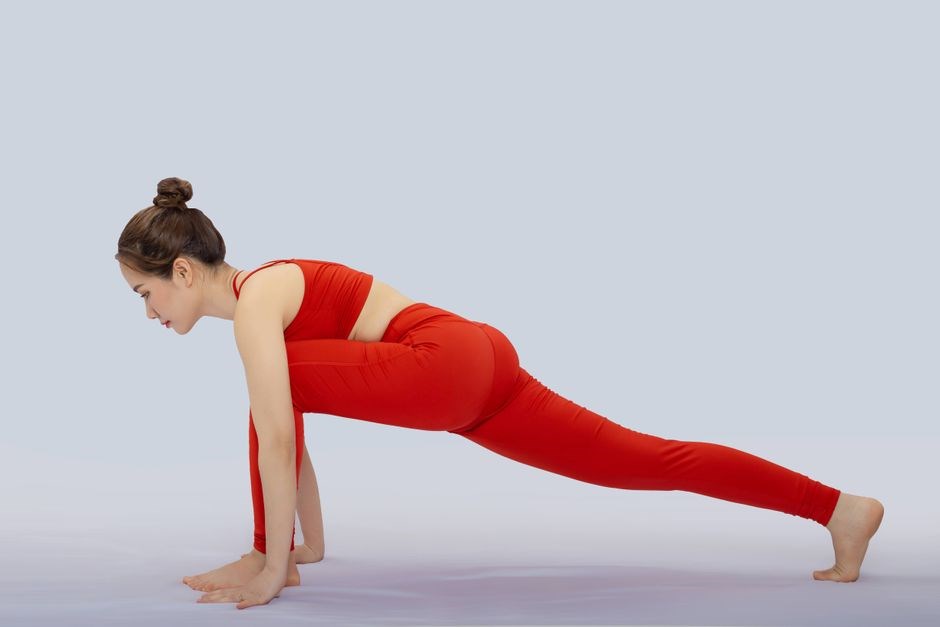
For limited flexibility, use a strap to assist ankle glide or a pillow under knees during kneeling. These adaptations maintain therapeutic effect while reducing discomfort.
Remember to breathe and listen to body!

Safety and Proper Form Guidelines
Maintain neutral spine, avoid hyperextension. Use slow, controlled glides; stop if pain spikes. Keep shoulders relaxed, breathe deeply. Adjust intensity based on pain threshold. Use supportive props if needed. Consistency yields safe progress. Always consult a professional before starting Stay steady
Posture, Pain Thresholds, and Modification Tips
Good posture is the foundation of every sciatic nerve stretch. Keep your spine neutral, shoulders relaxed, and pelvis in a slight posterior tilt. When you feel a mild ache, pause and breathe; when pain rises above 4 on a 0‑10 scale, stop immediately. Use a cushion under the knee during seated glides to reduce lumbar load. For beginners, start with 3–5 reps, holding each glide for 5–10 seconds, and gradually increase to 10 reps as tolerance improves. If you have a history of disc herniation, avoid forward flexion beyond 30°; instead, perform gentle side‑bending or hip‑extension glides. Always keep the affected leg straight and the foot flexed during glides to minimize nerve tension. If pain spikes, switch to a lower‑intensity version: reduce the range of motion by 25% or add a supportive prop such as a rolled towel. Remember that consistency beats intensity; aim for daily practice, but listen to your body’s signals. Practice these exercises daily, aiming for at least three sessions per week, and gradually increase duration as your comfort improves. Adjust the routine as needed. Stay patient, stay consistent, and stay safe;
Remember to keep movements slow and controlled, avoiding sudden jerks that could aggravate the nerve. Gradual progression is more effective than aggressive stretching. Consistency, patience, and mindful adjustments will guide you toward lasting relief. Stay consistent, patient, move on.
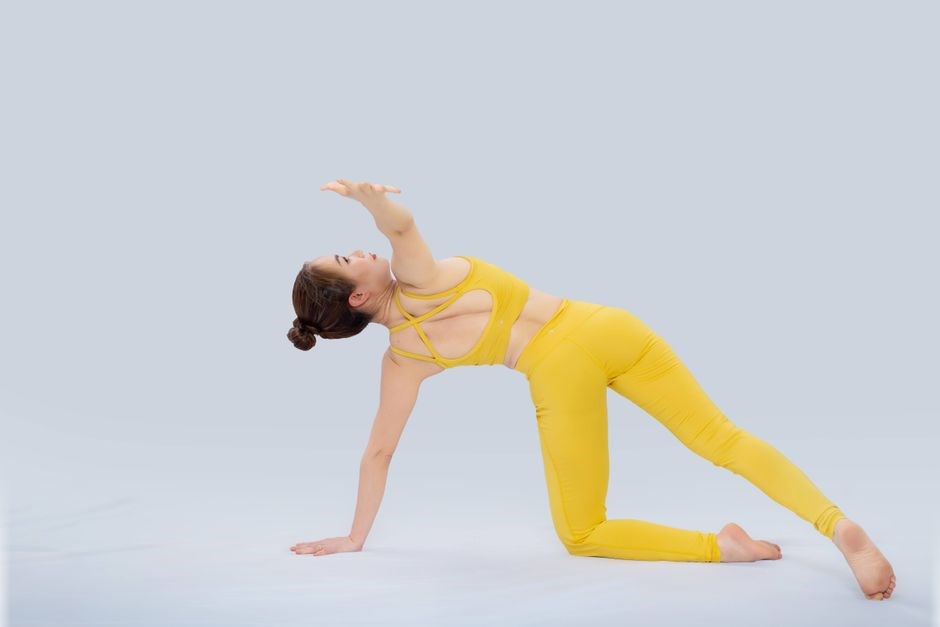
Dosage and Frequency Recommendations

Perform 15 sciatic glides 3–5 times daily. Hold each for 5–10 s, 3–5 reps. Progress to 10 reps as pain lowers. Rest 30 s between sets. Use 3–4 sessions weekly, increasing duration by 10 % every 2 weeks. Adjust based on tolerance.
Stay steady.
Exercise Frequency, Duration, and Progression
Begin with a gentle warm‑up: 5–10 minutes of low‑impact cardio such as walking or cycling to increase blood flow to the lumbar region. Then perform the prescribed sciatic glides and back stretches, holding each position for 5–10 seconds and repeating 3–5 times per side. For beginners, start with 3 sets of 3 reps, gradually adding one rep per set each week as pain subsides. Aim for a total of 15–20 minutes of active movement per session, 4–5 days a week. Monitor pain levels using a simple 0–10 scale; if the score rises above 4, reduce intensity or pause. Progression is guided by centralization: when pain shifts from the leg to the back or becomes less intense, increase hold time by 2–3 seconds and add a second set. If you reach 20 reps without discomfort, consider incorporating a light resistance band for added challenge. Rest days are essential; use them for gentle mobility work like seated cat‑cow stretches or foam‑rolling the glutes. Over a 6‑week period, you should see a 30–50% reduction in pain and improved functional mobility, provided you adhere to the schedule and maintain proper form. Consistency is key; even on low‑energy days, a brief 5‑minute routine can prevent flare‑ups. Adhering to this structured routine empowers patients to regain mobility, reduce reliance on medication, and return to daily activities with confidence. Remember to listen to your body, adjust intensity as needed, and consult a clinician if symptoms worsen. Stay consistent, breathe, and progress stead

Progress Tracking and Outcome Measures
Track centralization, pain scores, and tissue irritability. Use a simple 0‑10 pain scale, log daily. Note when pain shifts from leg to back or decreases. Record stretch duration, reps. Review weekly to adjust dosage and ensure recovery. Daily.!
Centralization, Tissue Irritability, and Pain Relief Indicators
Centralization is the hallmark of successful sciatic nerve therapy. It refers to the shift of pain from the distal leg or foot toward the lumbar spine or buttock, indicating that the nerve root is moving away from irritation. In the PDF guide, patients are instructed to perform the 15‑exercise program and record daily pain scores on a 0‑10 scale. A decrease in leg pain coupled with a stable or reduced back discomfort signals effective centralization.
Tissue irritability is assessed by palpating the affected area for tenderness, swelling, or heat. The PDF recommends marking the most tender spot on a diagram and noting any change after each session. A gradual reduction in tenderness, especially at the sciatic notch or piriformis region, suggests decreased irritability.
Pain relief indicators include improved functional metrics such as walking distance, stair climbing, and ability to sit for longer periods without discomfort; The guide encourages patients to log these activities and note any increase in endurance. A 20% improvement in walking time or a 10‑minute increase in sitting tolerance within two weeks is considered a positive outcome.
Additionally, the PDF advises using the “pain threshold” concept: if a stretch feels slightly uncomfortable but not sharp, it is within a safe range. Over time, the threshold should rise, allowing deeper stretches without pain. Patients should record threshold levels weekly, aiming for a 5‑point increase on the pain scale.
Combining these metrics—centralization, tissue irritability, and functional pain relief—provides a comprehensive outcome measure. The PDF’s tracking sheet includes columns for pain score, tenderness mark, walking time, and threshold level, enabling clear visualization of progress and guiding dosage adjustments.

Resources and Further Reading
Free PDF guide at Revision Health. Exercise sheets from Provide Physiotherapy. Expert advice at CHCP MSK. March 2025 update by Drs. Norman, Tiffney, Digby, Wickett, Mawdsley. Stay on Keep moving!?
Links to PDFs, Websites, and Professional Support
Download the free Sciatica Pain Relief PDF from Revision Health Services. This guide contains 15 exercises with photos, dosage, and modifications for disc or stenosis patients; For printable exercise sheets, visit Provide Physiotherapy, which offers back‑stretching routines and lower‑limb nerve glides. Clinical advice is available at CHCP MSK Physiotherapy, where you can book a consultation with a licensed physiotherapist. If you need medical evaluation, contact your primary care physician or a specialist in neuromuscular disorders. For ongoing support, consider joining online forums such as the r/sciatica subreddit or the Sciatica.org community. These resources provide peer‑to‑peer tips, progress tracking tools, and links to evidence‑based research. Always verify that any program you follow aligns with the latest clinical guidelines and consult a professional before starting new exercises, especially if you have a history of spinal surgery or severe pain. By integrating these resources into a daily routine, patients can monitor pain levels, adjust intensity, and celebrate milestones. The PDF also offers a printable log sheet to record frequency, duration, and subjective ratings, enabling clinicians to tailor interventions and track progress over weeks or months. and share your tale.